
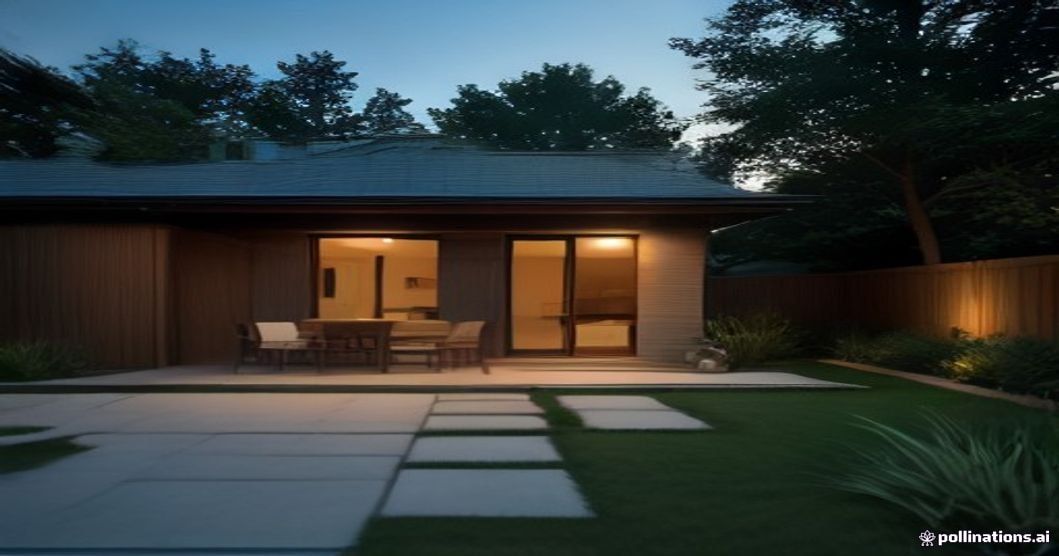
Why ADU Buyers Are a Different Animal
The accessory dwelling unit buyer is not a remodel buyer with a bigger budget. The motivations are different, the risk tolerance is different, and the decision process is different. A kitchen remodel is a preference purchase. An ADU is a family-housing and rental-income decision: the adult child who needs a place that is not the spare bedroom, the aging parent who needs to be close but not in the house, the owner who wants a backyard cottage earning rent every month.
That framing matters because it changes how these buyers shop. They are not picking finishes. They are committing six figures to a structure that has to pass inspections, satisfy a lender or appraiser, and possibly house someone they love. People making that decision do not hire the first contractor who returns a call. Most interview several builders and compare notes methodically, often across a shared spreadsheet or a running document.
The constraint is not lead volume. It is surviving the interview process long enough to get compared on the right criteria. Marketing that treats an ADU lead like a bathroom lead loses before the first estimate.
Permitting Complexity Is a Trust Asset, Not an Obstacle
Every builder complains about the permit office. In this vertical, that complaint is the marketing angle. Permitting complexity is precisely why buyers fear the project, and fear is what they are hiring you to manage. A builder who can explain setbacks, utility tie-ins, impact fees, and the difference between a conversion and new detached construction in plain language already looks like the safe choice.
Publish that expertise. Write one page per jurisdiction you serve with the actual local requirements: maximum size, height limits, parking rules, owner-occupancy conditions, and realistic review timelines. This is unglamorous content that few national competitors bother to produce and that most serious buyers in your market will read before they call anyone. It also does double duty for local SEO, because searchers type their city plus "ADU rules" before they ever type "ADU builder."
Explain the money staging
A 100,000 to 300,000 dollar project terrifies people because they imagine writing one enormous check. Walk them through how payment actually works: a design and feasibility deposit, permit-phase payments, milestone draws tied to inspections, and a small retainage holdback withheld from the contractor's final payment so the owner is protected until closeout is complete. Builders who teach payment staging in their content tend to remove one of the top reasons buyers stall, and they give serious buyers a reason to self-qualify before the first sales call.
The Lot-Feasibility Lead Magnet
The strongest lead magnet in this vertical is a lot-feasibility checklist or mini-assessment. Buyers do not know if their lot can even support an ADU, and that uncertainty freezes them for months. Give them a structured way to check: lot dimensions against setback minimums, existing structure condition for garage conversions, utility access, access for equipment, and the one or two questions worth asking the permit office before spending a dollar on design.
This works because it meets the buyer at their actual first question. It also filters hard. Someone who completes a feasibility checklist is weeks ahead of someone who downloaded a generic "guide to ADUs," and your CRM can score and route them accordingly.
Why These Buyers Interview More Builders (and How to Win Anyway)
Understand the comparison set. A kitchen client interviews builders on portfolio and price. An ADU client adds permitting track record, financing familiarity, structural and MEP scope, and timeline credibility. They are interviewing you against the question "can this company carry a six-figure project without something going sideways?"
Your marketing has to answer that before the interview. Three assets do most of the work:
- Project dossiers, not galleries. For each completed ADU, document the constraint, the permit path, the timeline, and the outcome. Buyers read these like case files because they are.
- Named process. Publish your phases and what the client gets at each one: feasibility, design, permitting, construction, closeout. A named, staged process signals you have done this enough times to systematize it.
- Financing fluency. Know the landscape well enough to discuss cash-out refis, renovation loans, and local ADU programs without pretending to be a lender. Builders who can speak this language shorten the sales cycle because the buyer does not have to assemble the money conversation separately.
Where the Demand Actually Comes From
Track the trigger, because ADU leads arrive with a story attached. The two family triggers are the adult child moving home and the parent moving close; the financial trigger is rental income. Your intake should capture which one applies, and your nurture tracks should speak to each differently. A rental-income lead cares about cost per square foot and rent potential. A family-housing lead cares about privacy, accessibility, and timeline before a life event forces it. Same structure, different sale.
Conversion work deserves its own lane, too. A garage-to-unit project is sold on structure, headroom, slab condition, and seismic and energy-code upgrades, not on design taste. Buyers researching conversions are often unsure their existing structure qualifies at all, which makes an honest "here is what we check first" page one of the strongest trust builders you can publish. Detached cottages, by contrast, are closer to a small custom home, and buyers expect a design conversation. If you do both, market them as two distinct services with two distinct pages, two galleries, and two intake paths. Lumping them together makes you look like you have done neither enough.
What to Put in Motion This Quarter
ADU demand rewards the builder who looks most like a safe pair of hands. Systems beat slogans here.
- Build one jurisdiction-specific ADU requirements page for each market you serve, with real setback, size, and fee data.
- Package a lot-feasibility checklist as the primary lead magnet and connect it to a scored, tagged nurture sequence in your CRM.
- Publish two to three project dossiers with permit path, timeline, and payment staging documented.
- Write one plain-language page on how ADU project payments are staged, and train your estimators to walk it on the first call.
- Add a trigger question to intake (family housing, rental income, or both) and split your follow-up messaging accordingly.
- Track your interview-to-close rate by trigger type (family housing versus rental income), and benchmark your response time against the multi-builder comparison these buyers run: they are measuring your reply against every other reply they receive that weekend.
Brand Advertisers architects marketing systems for builders and remodelers who want ADU buyers to arrive pre-sold on their process, not just their portfolio. The firms winning this vertical are not the loudest. They are the ones whose content does the educating before the first meeting ever happens.